Every child’s smile grows on its own schedule, so the best braces for kids are the ones planned around your child, not a calendar. At Bay State Orthodontics, Dr. Ben Smith gives families in Norwood, West Roxbury, and surrounding communities an honest answer to a simple question: does my child need braces, and if so, when?
Sometimes the answer is “not yet.” Sometimes it’s “let’s start now.” Either way, you will hear it straight, and Dr. Smith will personally see your child at every visit.
There is no single “right” age, but there is a right time for a first look. The American Association of Orthodontists recommends a first orthodontic check-up when a problem is first noticed, and no later than age 7. By then, most children have a mix of baby and adult teeth, which lets an orthodontist see how the bite and jaws are developing.
A check-up at 7 is not the same as starting braces. Most children simply get monitored as they grow. If your child is older than 7, it is not too late. For most kids, comprehensive braces begin between ages 11 and 14, once most of the adult teeth have come in. Some children benefit from a shorter first phase of treatment earlier, which we explain below.
Signs Your Child May Need Braces or an Orthodontic Check-Up
Parents are often the first to notice that something looks “off.” You may want to schedule a visit if your child has:
Early or late loss of baby teeth
Crowded, twisted, overlapping, or blocked-out teeth
Unusually wide gaps
An underbite, crossbite, overbite, or open bite
Thumb or finger sucking, or a pacifier habit that continues
Trouble biting or chewing, or a jaw that shifts or clicks
Mouth breathing
You do not need a referral from your dentist, and you do not need to wait. If something concerns you, we are happy to take a look.
Early Treatment (Phase 1) vs. Braces: What's the Difference?
Parents often ask whether their child is “too young” for braces. Here is the simple version.
Early treatment (sometimes called Phase 1 or interceptive orthodontics) is a short course of treatment, usually while baby teeth are still present. It can make room for crowded teeth, correct a crossbite, or guide jaw growth. Depending on the child, it may use removable or fixed appliances, not always braces.
Comprehensive braces straighten and align all the adult teeth, usually in the early teen years.
Early treatment is not always necessary, and we will tell you if it isn’t. When a child’s jaw needs guidance, growth modification can work with the child’s natural growth while it is still happening, which may help avoid more involved treatment later.
Braces Options for Kids at Bay State Orthodontics
Choosing braces for your child should feel simple. Here are the options we offer, and Dr. Smith will help you pick the right one.
LightForce® Metal Braces: Custom-Made for Your Child's Teeth
LightForce® braces are 3D-printed for each tooth after your child’s treatment is planned digitally. LightForce Metal pairs classic strength with a custom fit, and kids can still add colored elastic ties to make them their own. The goal is a more comfortable, lower-profile bracket and a treatment plan mapped out from day one.
Traditional Metal Braces
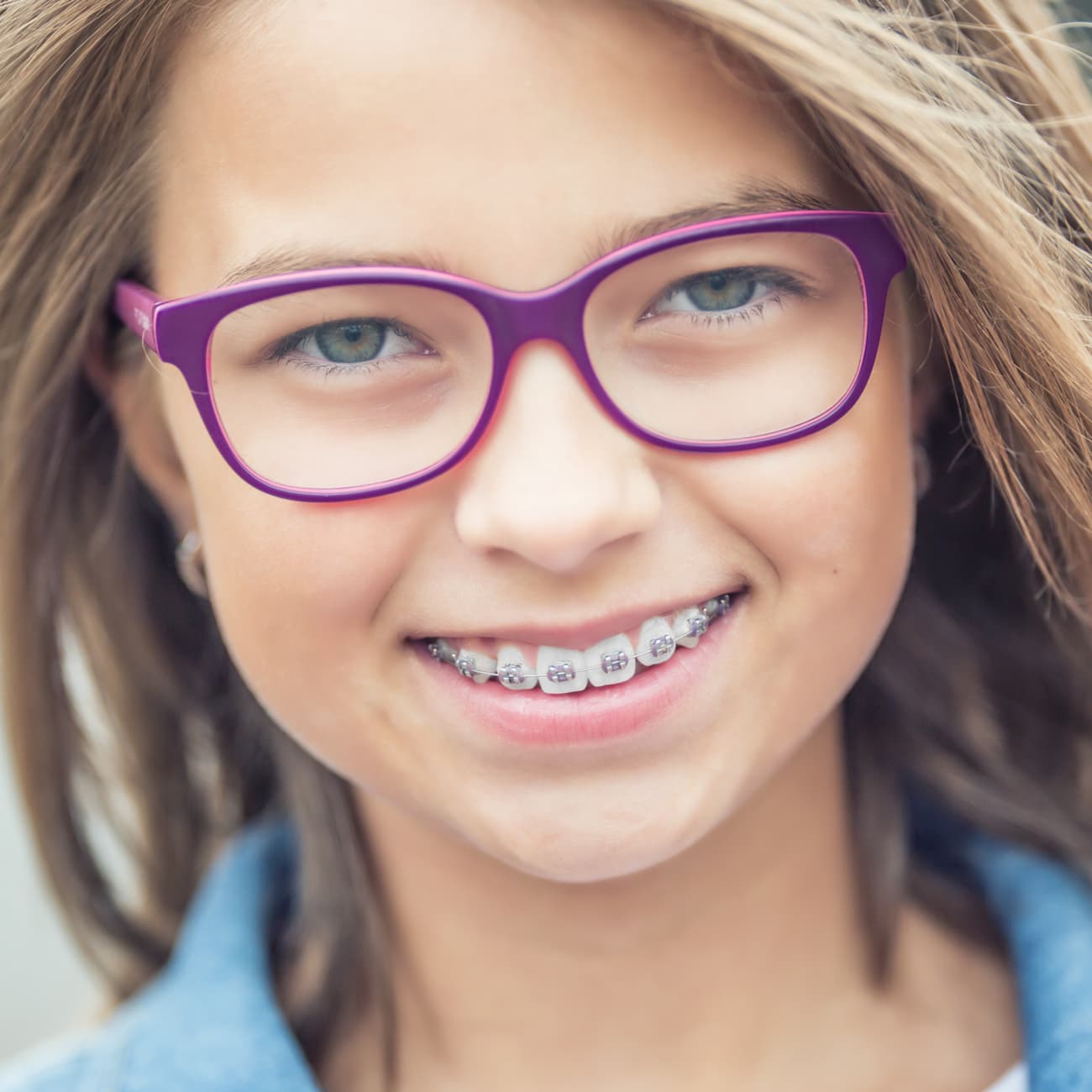
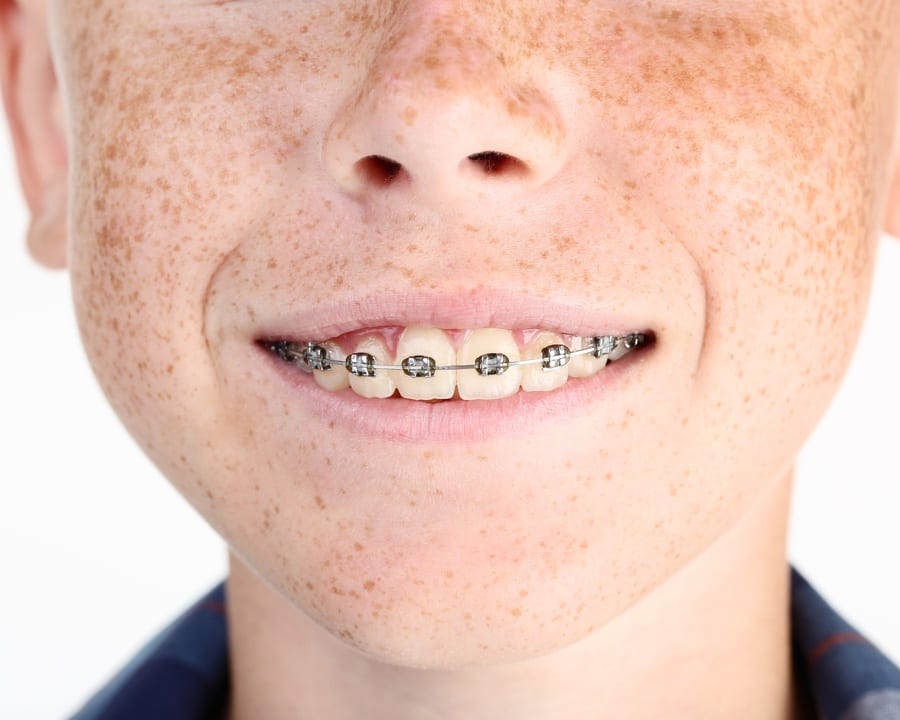
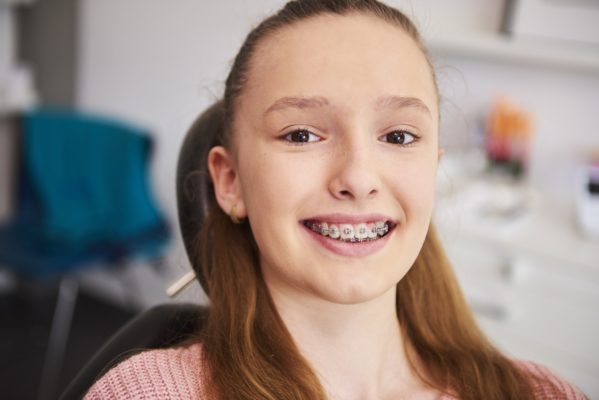
High-quality stainless steel brackets and archwires have straightened kids’ smiles for decades. They are dependable, and your child gets to pick the colors, from school spirit to favorite holiday.
Clear (Ceramic) Braces for Older Kids and Teens
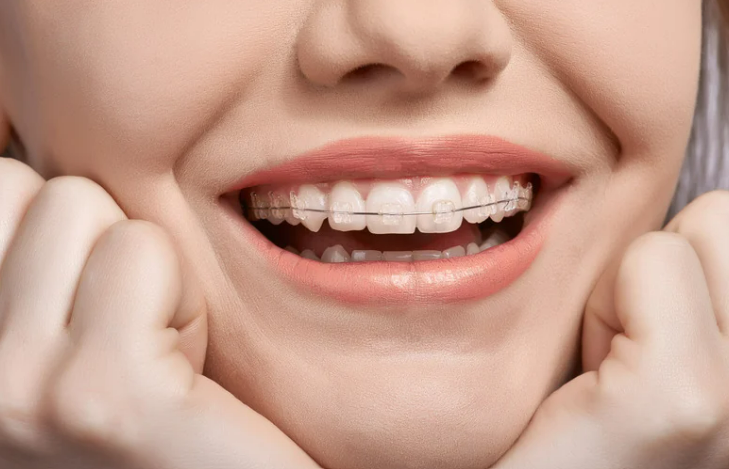
Tooth-colored brackets blend in more than metal, which some teens prefer for school photos and sports banquets. Ceramic is more delicate than metal, so we’ll talk through whether it suits your child’s habits.
Braces vs. Invisalign for Kids: Which Is Better?
Neither is better for every child. Braces work around the clock and don’t depend on your child remembering to put anything in. Aligners are removable and easy to clean around, but they depend on wear time. Because Dr. Smith offers both, he is not steering you toward one. The right choice is the one that fits your child’s teeth, habits, and goals.
What to Expect: Your Child's Braces Journey
We want you and your child to know what’s coming at every step.
Initial Consultation. Meet Dr. Smith, share your concerns, and get an honest assessment, including whether treatment is needed now, later, or at all.
Digital scan and records. We use 3D digital imaging, so there are no gooey impressions. Our digital X-rays also significantly reduce radiation exposure.
A personalized plan. Dr. Smith explains the recommended treatment, the estimated timeline, and the options.
Braces day. Most kids find the appointment comfortable and straightforward. We walk your child through each step.
Regular check-ups. Dr. Smith sees your child personally at every visit to monitor progress and adjust as needed.
Braces off and retainers. Your child’s new smile is protected with retainers, with follow-up to make sure it stays that way.
How Long Do Kids Wear Braces?
Every case is different, but comprehensive braces often take somewhere between 12 and 24 months, and a first phase of early treatment is often shorter. Dr. Smith will give you a personalized estimate after your exam, and we’ll update you if the plan changes.
Cost, Insurance and Payment Plans
Cost depends on your child’s needs and the type of braces. At the initial consultation, we give you a clear estimate and review your insurance benefits and payment options with you.
Start Your Child's Smile Journey
Your child’s lifetime of happy smiles starts here. Meet Dr. Smith, ask your questions, and get an honest answer with no obligation. Request your appointment online or call Norwood at (781) 769-7867 or West Roxbury at (617) 327-9656.
There is no single best age. Most children begin comprehensive braces between 11 and 14, once most adult teeth have arrived, but some benefit from early treatment sooner. The AAO recommends a first check-up no later than age 7.
Is my child too young for braces?
Probably not too young to be seen, but often too young to start. A check-up at age 7 is mostly about information. Many children are simply monitored until the right time.
Do you offer braces for kids at both the Norwood and West Roxbury offices?
Yes. Dr. Smith treats children at both offices, and you can request an appointment at either location.
What happens after braces come off?
Your child will receive retainers and clear instructions on when to wear them. Wearing them as directed is what keeps the results in place.